Sunrise to Streetlights: How the 4 A.M. Day Trip Became My Favorite Way to Travel
There's a particular kind of magic in a gas station parking lot at 4 a.m. The sky is still navy. The coffee is terrible. And you, my friend, are about to have an entire adventure and sleep in your own bed tonight.
I call it a "flip day"—one full sunrise-to-sunset trip, no hotel, no packing list longer than a tote bag, and no Sunday-night dread of an unpacked suitcase. I used to think day trips were the consolation prize of travel. Now I think they're the most underrated format in the game. Here's why, plus exactly how to pull one off.
Why a Single Day Can Beat a Long Weekend
Long weekends are wonderful, but they come with baggage—literally and figuratively. There's the planning, the pet sitter, the three-day minimum a destination demands to "be worth it." A flip day asks for almost nothing. One tank of gas. One backpack. One day of PTO (or a Saturday, if you're lucky).
And here's the sneaky benefit: because you know the clock is ticking, you're present in a way you aren't on a leisurely trip. You don't waste a morning scrolling in a hotel bed. You go. You see. You eat the pastry. You come home tired in the best way.
The Flip Day Playbook
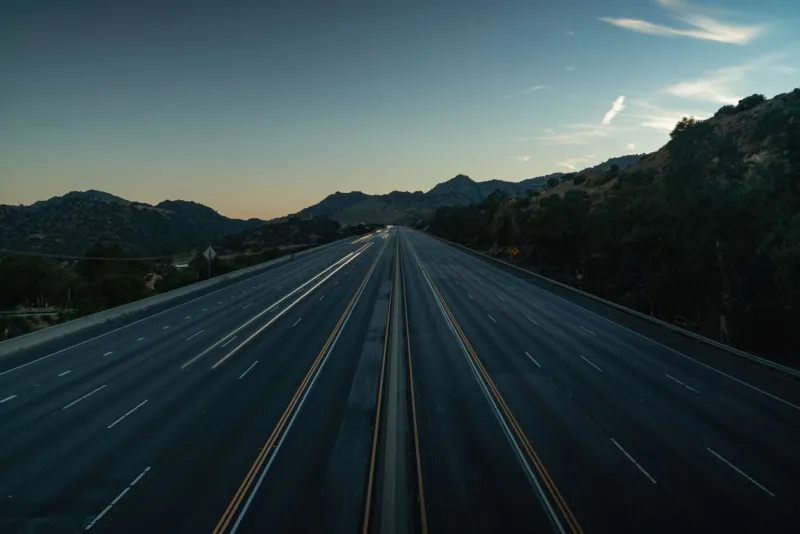
The 4 a.m. buffer. This is non-negotiable. Leaving at 4 a.m. instead of 6 buys you two golden hours you didn't know you had—empty highways, easy parking, and first tracks on the trail. Set three alarms. Put one across the room if you have to.
The 'no nap' rule. Around 2 p.m., somewhere between the second attraction and the late lunch, you will feel the pull of the car seat. Resist. A twenty-minute nap becomes two hours, and suddenly your sunrise start is wasted. Instead: iced coffee, a walk, water, or a gas station snack run. Push through. You can sleep when you're home.
The celebratory dinner on the drive home. This might be my favorite rule. On the way back, stop somewhere you'd never bother with on a normal Tuesday—a diner with pie the size of a hubcap, a roadside barbecue joint, a drive-through eaten in a lit-up parking lot. It bookends the day and turns the drive home into part of the trip instead of a funeral procession.
Home by midnight. Not 1 a.m., not "whenever." A flip day should leave you energized, not wrecked. If the return drive is more than four hours, pick a closer destination next time.
Three Flip Days That Actually Work
The sunrise summit. Pick a trail within three hours—pretty much every US metro has one. Start hiking at first light, hit the summit for breakfast with a view, and you'll be back at the car before most people are choosing a cereal. Bonus: cooler temps and thinner crowds. I did this at Mount Si outside Seattle and had the entire ridge basically to myself by 8 a.m.
The beach town detour. Pick a coastal town two-ish hours away, but skip the famous beach. Wander the back streets, hit a bait-shop-turned-taco-stand, browse the thrift store, walk the pier at golden hour. Small beach towns are practically engineered for one-day consumption.
The city food crawl. Pick a walkable downtown—Providence, Asheville, San Antonio, wherever's close to you—and eat one small thing at five different places instead of one big meal. Coffee, then a bakery, then a food truck, then a market snack, then dinner. You'll taste more, spend less, and walk off every bite between stops.
The Real Payoff
A flip day costs about $60–$100 all in. It requires no vacation approval, no packing strategy, and no recovery day. And it scratches the itch that makes us book big trips in the first place—the itch that says go somewhere.
Adventure made easy, one trip at a time? Sometimes that trip is twelve hours long and starts in the dark. Set the alarm. The 4 a.m. version of you won't regret it.