Your Barista Knows Better Than the Algorithm: How Local Intel Saved My Trips
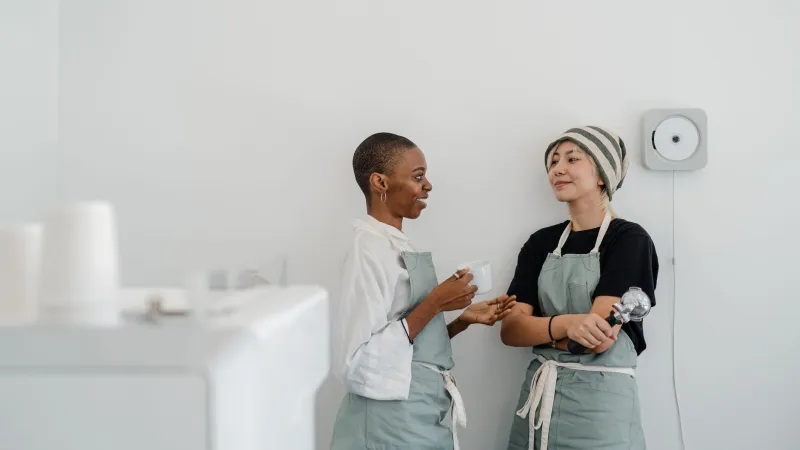
Can I say something slightly controversial? Most "Top 10 Things to Do in [City]" articles are written by people who spent six minutes there — or never went at all. Meanwhile, the person pouring your latte on day one knows exactly where you should eat dinner tonight. Guess which one I trust now.
Two trips converted me. Let me tell you about them.
Louisville: The Lyft Driver Who Planned My Weekend
I landed in Louisville with a guidebook list that included, I kid you not, a gift shop. On the ride from the airport, my driver Doug asked what I was into. I said food, live music, and avoiding crowds. He got visibly excited.
"Skip the tourist strip," he said. "Go to Butchertown. And if you want a real bourbon experience, not a tasting room with a gift shop, go where my wife and I go."
Doug's itinerary beat everything my phone suggested. A divey bar with a bluegrass jam on Thursdays. A fried chicken place that looked like a shed and tasted like a miracle. A sunset spot on the Ohio River where locals actually hang out. Total damage for the weekend: about $180, not counting the hotel. A "top attractions" pass would've cost me double and taught me nothing.
Boise: The Host Who Ruined All Other Trips for Me
In Boise, my Airbnb host left a handwritten note with three restaurants, a hot spring an hour away, and the phrase "go Tuesday, everyone else goes Saturday." I did everything on that note. The hot spring? On a Tuesday, I shared it with exactly one retiree and his dog.
Here's the thing: locals know the rhythm of their city, not just the landmarks. Which day the market is actually good. Which restaurant is worth the hype versus which one just hired a PR firm. No algorithm surfaces that.
Why We Keep Trusting the Listicles Anyway
Honestly? Asking strangers for recommendations feels awkward. It's easier to open a browser tab and let someone else's SEO decide your vacation. But listicles optimize for clicks, not for your Tuesday night. Locals optimize for one thing: whether you'll have a good time, because you're in their city and they have pride on the line.
There's also a bonus: local intel is almost always cheaper. Doug's fried chicken shed was $11. The hot spring was free.
My Arrival-Day Framework: The First Three Questions
After a few trips of trial and error, I've boiled local intelligence-gathering down to a system. It takes about 20 minutes on day one and requires zero courage beyond normal human small talk.
Step 1: Find a chatty local. Your rideshare driver, barista, hotel front desk person, or the person next to you at the counter. Anyone who's paid to be friendly is a great start.
Step 2: Ask these three questions:
- "Where do you eat when you're not working?" — This filters out tourist traps automatically. Nobody's recommending their employer's competitor's gift shop.
- "What's one thing visitors always skip that they shouldn't?" — This is the money question. It surfaces the stuff that never makes the lists.
- "What would you do with a free Saturday here?" — This gets you the rhythm of the city, not the itinerary.
Step 3: Do at least one thing they say, same day if possible. Then report back. "I tried that chicken place — you were right" turns a transaction into a conversation, and that's usually when the second-tier recommendations come out. The secret spots behind the secret spots.
A Caveat, Because I'm Not a Monster
I'm not saying throw away all research. I still check opening hours, book the one museum I genuinely care about, and know roughly where I'm sleeping. Local intel is the seasoning, not the whole meal. And always sanity-check a stranger's hot spring directions — one wrong turn in rural Idaho taught me that.
Try It on Your Next Trip
Next time you land somewhere new, resist the urge to open a listicle. Ask your driver where they ate last week. Ask your host what they'd do with a free Saturday. The worst case is you get a mediocre dinner recommendation and a nice conversation. The best case — ask Doug's fried chicken about it — is the trip you'll still be talking about years later.