Chasing Waterfalls on a Weekend Budget: My Favorite Kind of Quick Escape
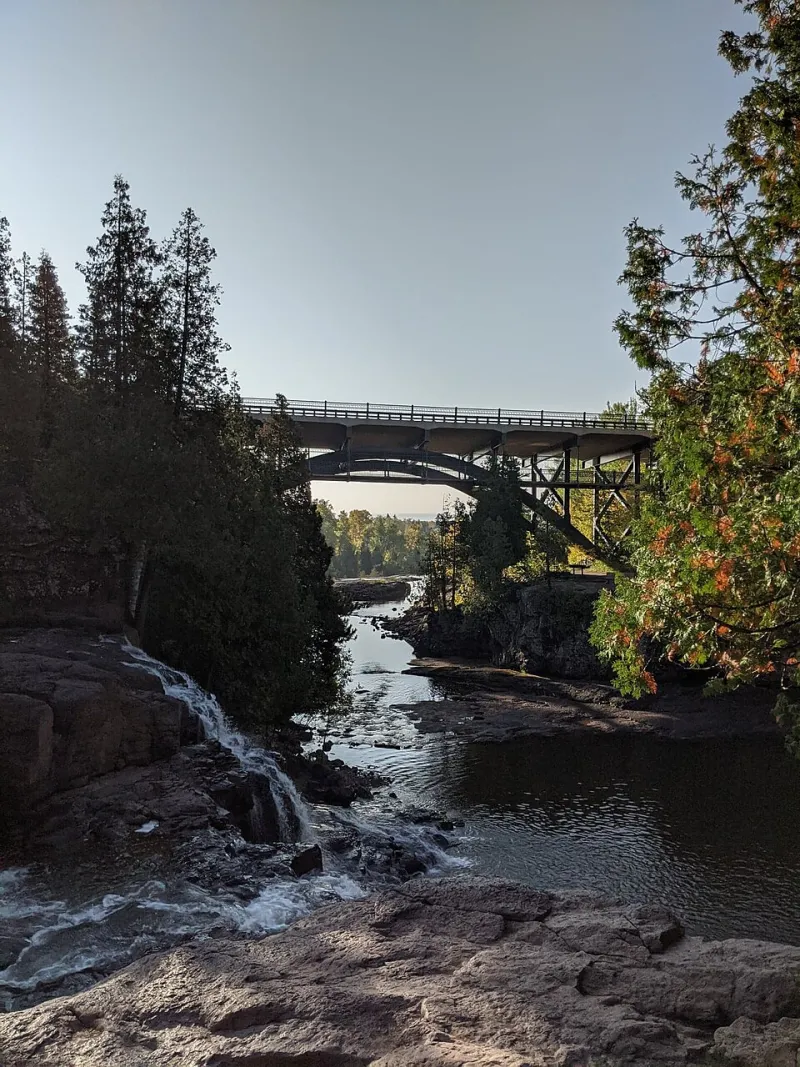
Photo: Afregistry, CC BY-SA 4.0, via Wikimedia Commons
There's a specific sound a waterfall makes that no playlist, podcast, or white noise app has ever managed to replicate. It's part roar, part hush, and it has a way of resetting your brain in about fifteen minutes flat. That's the whole reason I started building weekends around waterfalls — and honestly, I can't believe it took me this long to figure out that a single cascade can carry an entire trip.
I call them "splash trips." The concept is simple: pick one waterfall (or a small cluster), drive or fly somewhere affordable, and let the water be the main event. No packed itinerary, no attraction-hopping, no $40 tickets. Just you, a trail, and something loud and beautiful.
Why Waterfalls Are the Perfect Anchor for a Cheap Weekend
Here's the thing about waterfalls: they're free. Or close to it. Most sit in state parks or national forests where the entry fee runs somewhere between $0 and $10 a vehicle. Compare that to theme parks, ski lifts, or basically any other headline attraction in America, and the math gets embarrassing for the other side.
They're also everywhere. I mean everywhere. The continental US is laced with thousands of named waterfalls, plus countless unnamed ones that only locals know about. You're rarely more than a few hours' drive from a decent cascade, no matter which state you call home.
And unlike a beach weekend, a waterfall trip works in almost any season. Spring means maximum flow, summer means swimming holes, fall means the water framed in orange and red, and winter — if you're lucky — means a partially frozen cascade that looks like a set piece from a fantasy movie.
How to Find Waterfalls Near You
This is the part that trips people up, so let me make it dead simple:
1. Start with state park websites. Nearly every state's park system maintains a list of waterfalls on its lands, complete with trail difficulty and current conditions. This should always be your first stop.
2. Use the waterfall databases. Sites like WaterfallRecorders and World Waterfall Database let you search by state and region. Five minutes of browsing and you'll have a shortlist.
3. Ask the hiking apps. AllTrails reviews are gold — search "waterfall" in your target area and sort by recent reviews. People will tell you if the flow is pitiful or if the trail is a mud pit.
4. Ask actual humans. The ranger station, the person at the coffee shop, the guy at the gas station. Locals always know the unofficial spots, and they're usually thrilled to send you somewhere good.
Timing Is Everything (Flow Edition)
A waterfall in late August can be a trickle; the same waterfall in May can be a monster. Generally speaking:
- Spring (April–June): Peak flow from snowmelt and rain. This is the best time for drama, especially in mountain states.
- Summer: Lower flow, but ideal if swimming is the goal. Waterfall swimming holes are summer's best-kept cheap thrill.
- Fall: Moderate flow plus foliage. Honestly, this might be the prettiest window.
- Winter: Check conditions carefully — icy trails are no joke — but frozen falls are worth the layers.
If you're flexible, aim for a weekend right after a good rainstorm. The falls will be showing off.
Three Splash Trips I'd Book Right Now
The Olympic Peninsula, Washington. Base yourself in Port Angeles and you've got Marymere Falls, Sol Duc Falls, and a handful of others within an easy drive, all wrapped in moss-draped rainforest. Shoulder-season lodging keeps this surprisingly affordable.
Tallulah Gorge, Georgia. One of the East's most dramatic gorges, with a series of falls you can view from rim trails or — with a free permit — hike down into. Pair it with a cheap stay in Clayton or Clayton-adjacent cabins and you've got a stellar Southern weekend.
The Columbia River Gorge, Oregon. Yes, Multnomah Falls gets crowded. But the Gorge has dozens of falls along the Historic Columbia River Highway, and you can build a whole loop day out of them. Portland makes a budget-friendly base with cheap flights from most hubs.
Keeping It Under $300
Here's my standard splash-trip budget for a two-night weekend:
- Gas or cheap flight: $60–$120 (carpool if you can)
- Lodging: $80–$120 (campgrounds, budget motels, or a split Airbnb)
- Food: $40–$60 (cooler breakfasts, trail snacks, one real meal out)
- Park fees: $0–$15
The trick is the cooler. Seriously. I pack sandwiches, fruit, and a thermos of coffee before I leave, and suddenly the only food money I spend is one celebratory dinner. That one move saves me $75+ every trip.
A Few Ground Rules
Wet rocks are slick rocks. Stay on marked trails, don't climb past barriers for the photo, and never turn your back on moving water. Wear shoes with actual grip, bring a dry layer, and check trail conditions before you go — waterfalls and flash-flood-prone canyons don't mix.
That's it. That's the whole formula. Pick a waterfall, pack a cooler, grab a cheap bed, and go stand next to something louder than your inbox. I promise it's the best $300 you'll spend all season.