When Everyone Else Goes Home, I Book My Flight: A Love Letter to the Off-Season
There's a moment I chase now every time I travel. It's not a sunset or a famous landmark. It's the moment I realize I have a place almost entirely to myself.
The first time it happened, I was in Yellowstone in mid-October. The summer crowds were long gone, the RVs had cleared out, and the elk had basically taken over the town of Mammoth. I watched a bull bugle from the side of the road with exactly zero other cars around. A room that would've run me $300 in July cost me $95. I remember thinking: wait, this is allowed?
It is. And I think more people should know that.
The Off-Season Is Not a Punishment
I used to think traveling in the 'dead' months meant settling. Gray skies, closed attractions, sad little towns rolling up the sidewalks. That's the story we've all absorbed — go when everyone else goes, pay what everyone else pays, stand in line where everyone else stands.
But here's what I've learned after years of deliberately booking trips when everyone else is going home: the off-season isn't a downgrade. It's usually the most honest version of a place.
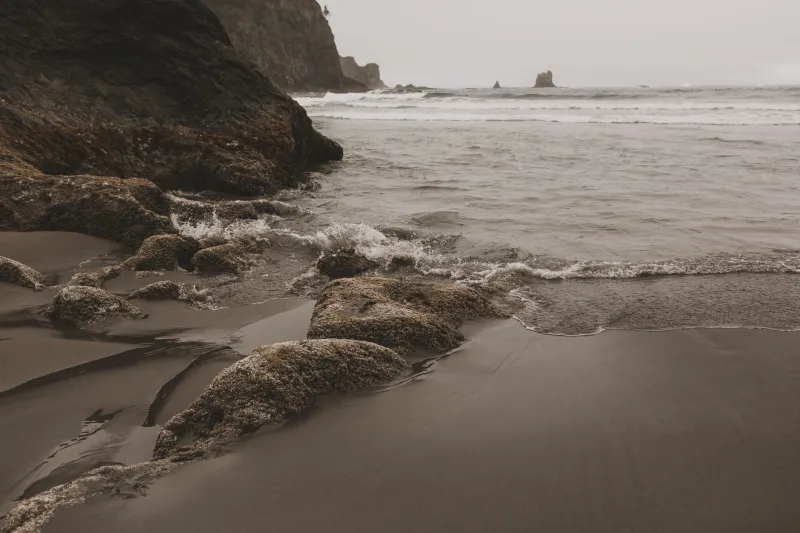
In peak season, a beach town is a machine. It's optimized for volume — lines, traffic, inflated everything. In September, the same town breathes. The waitress has time to chat. The owner of the taffy shop tells you which lighthouse is actually worth the drive. You get the place, not the queue for the place.
And the money? That's where it gets almost embarrassing. Shoulder and off-season rates routinely drop 30 to 50 percent on hotels, and flights follow. My Yellowstone trip cost roughly half of what it would have in July — and I didn't need to wake up at 5 a.m. to find parking.
What You Actually Get When the Crowds Leave
Let me make the case with specifics, because 'fewer people' undersells it.
- You see the locals' version. In the off-season, the restaurants that survive are the ones locals actually eat at, not the ones built to churn through tourists.
- Everything gets easier. Reservations you'd need months out in high season? Book them the week of. Trailhead parking? Abundant. Rental cars? Suddenly affordable.
- Weather becomes an event, not an obstacle. Snow on the Grand Canyon. Fog rolling into Big Sur. A Nor'easter watched from a nearly empty Cape Cod inn. These are the travel stories I actually tell people.
- You get better at traveling. With fewer services and shorter hours, you plan a little more and wing it a little smarter. It's made me a more confident traveler overall.
Is everything open? No. Some shops and restaurants in seasonal towns close or run limited hours. Check ahead, have a backup plan, and treat the quieter pace as a feature. That's the whole trade, and honestly, it's not much of a trade.
A Month-by-Month Guide to America's Secret Best Months
Here's my rough calendar for when popular US destinations are quietly at their best:
September — The Jersey Shore and coastal New England. The water is at its warmest of the year, the boardwalks are walkable, and the rates drop the day after Labor Day. The Cape Cod National Seashore without July traffic is a religious experience.
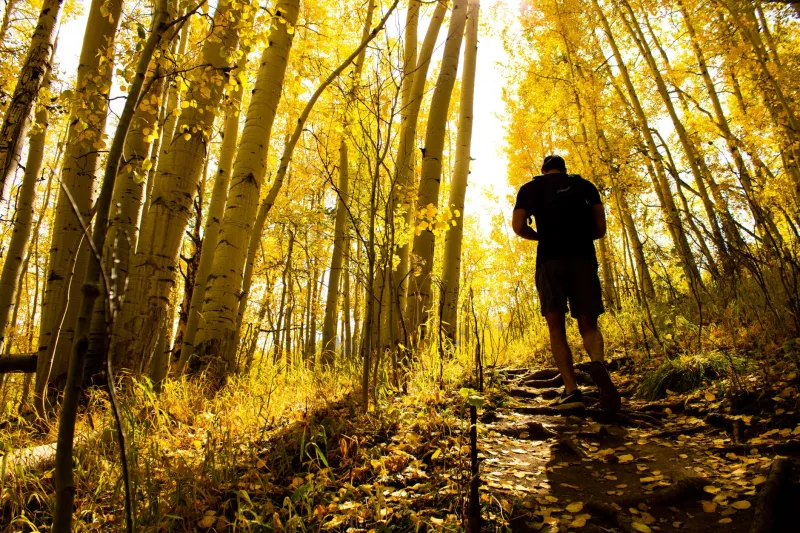
October — Yellowstone, Zion, and the Colorado Rockies. Elk bugling, golden aspens, and trails you'll have to yourself. Just check road closures — Yellowstone's interior roads start closing to regular vehicles in early November.
November — New Orleans and Savannah. Humidity's gone, festivals are ramping up, and hotel prices haven't caught up to the pre-holiday rush yet. Bonus: Thanksgiving week can be surprisingly quiet for city sightseeing.
January — The Grand Canyon's South Rim, Palm Springs, and Key West. The desert and Florida are in their actual high season (steal a trip from the snowbirds if you can), while the Canyon under snow is otherworldly and blissfully uncrowded on weekdays.
February — National parks in general. Death Valley, Joshua Tree, and the Everglades all shine in winter. Even Washington, D.C., is calm between the holidays and the spring crowds.
April — Washington, D.C. (after the cherry blossoms) and the Great Smoky Mountains. Wait until the blossom crowds thin out and you get spring wildflowers, waterfalls at full blast, and reasonable rates.
May — The national parks of Utah. Arches and Bryce before Memorial Day is the sweet spot: warm days, cool nights, and shuttle lines that actually move.
How to Do It Without Getting Burned
A few ground rules I've picked up the hard way:
- Check what's actually open. Two minutes on a town's tourism site or a quick Reddit search saves you from arriving to a shuttered main street.
- Watch the weather window. 'Off-season' and 'hurricane season' are not the same thing. Know which one you're booking.
- Book refundable everything early. Off-season rates are cheap enough that flexible bookings rarely cost more — and they save you if a storm rolls in.
- Lean into the vibe. Don't try to recreate a July trip in October. Chase what that month does best — foliage, wildlife, fog, empty beaches — and the trip will feel intentional instead of diminished.
Go When They're Going Home
I get it — summer vacation is baked into how we live. School breaks, PTO, tradition. But if you have any flexibility at all, even a long weekend shifted a few weeks off-peak, you unlock a version of travel that's cheaper, calmer, and honestly more fun.
The best part of my Yellowstone October trip wasn't the elk or the discounted lodge. It was standing in the middle of a famous overlook, totally alone, realizing that the postcard view doesn't come with a crowd requirement attached.
The secret isn't a hidden destination. It's a hidden calendar.